Unlock Deeper Biological Understanding with Glycan Analysis
From tumor progression to viral capture to drug discovery, glycan modifications impact normal and disease states. Lectins are carbohydrate-binding proteins that specifically recognize and bind to distinct glycan structures on glycoproteins and glycolipids. Lectins have been widely adopted as tools for studying glycosylation. Lectins are the key to help you profile, characterize, and capture complex glycans in biological systems or leverage functional assays to ask questions that were previously beyond reach. Vector’s glycan analysis reagents support the ability to profile, characterize, and capture complex glycans in biological systems.
Vector Laboratories was founded on a growing portfolio of lectins and lectin conjugates. With over five decades of glycobiology experience, we help scientists and researchers:
- Detect glycans using lectins and glycan-specific reagents
- Profile glycosylation with screening and analysis kits
- Visualize glycan interactions in situ with advanced detection tools
0
Published glycobiology studies powered by Vector Laboratories
Why Choose Vector Laboratories for Glycobiology?
Glysite™ Explorer Recognized by CiteAb
Vector Laboratories’ Glysite™ Explorer In Situ PLA Glycan Detection Kit was highly commended in the 2026 CiteAb Innovation Awards, recognizing technologies that advance biological research.
Glysite Explorer enables researchers to visualize glycan–protein interactions directly in biological samples using an in situ proximity ligation assay (PLA) workflow. This recognition highlights the kit’s ability to make complex glycosylation analysis more accessible and reproducible for scientists studying cell biology, cancer, immunology, and disease mechanisms.
50+ Years of Expertise
With more than 50 years of experience and robust technical support, Vector Laboratories empowers researchers at all levels of glycobiology experience.
Proven Quality
Vector’s lectins, kits, and reagents are expertly manufactured with unmatched batch-to-batch consistency and performance.
Trusted Tools
Vector lectins are validated by the NCFG for specificity and reproducibility and trusted in more than 25,000 peer-reviewed publications.
Glycobiology Tools, Methods, and Applications
Explore how glycobiology shapes protein function and cell biology, and how to apply it in your research. From glycan detection to labeling and visualization, these expert resources translate complex concepts into practical, bench-ready insights.
Glycobiology Research Tools
Lectins
Vector Laboratories is a leading supplier of purified plant lectins for glycobiology research. Lectin specificity can be harnessed to probe glycans in myriad applications, including IHC, IF, blotting, and flow cytometry.
Antibodies to Lectins
Vector’s affinity-purified anti-lectin antibodies for research enable sensitive, reproducible detection of lectin receptors, glycan pattern mapping, and signal amplification in cells and tissues.
Inhibiting Sugars & Eluting Solutions
Confirm lectin-glycan interaction specificity with monosaccharides for lectin inhibition and release bound glycans or glycoproteins without damaging your sample with lectin elution buffers.
Glycan and Lectin Screening Kits
With a selection of curated lectins or lectin conjugates and optimized protocol, Glysite Scout Glycan Screening Kits and Lectin Kits (I, II, and III) provide rapid glycan analysis in IF, IHC, and more.
in situ PLA Glycan Detection Kit
The Glysite Explorer in situ PLA (isPLA) Glycan Detection Kit and Glysite Explorer Lectins combine curated lectins with robust isPLA technology for the same-day spatial visualization of protein glycosylation in FFPE cells and tissues.
Featured Applications of Glycobiology Reagents
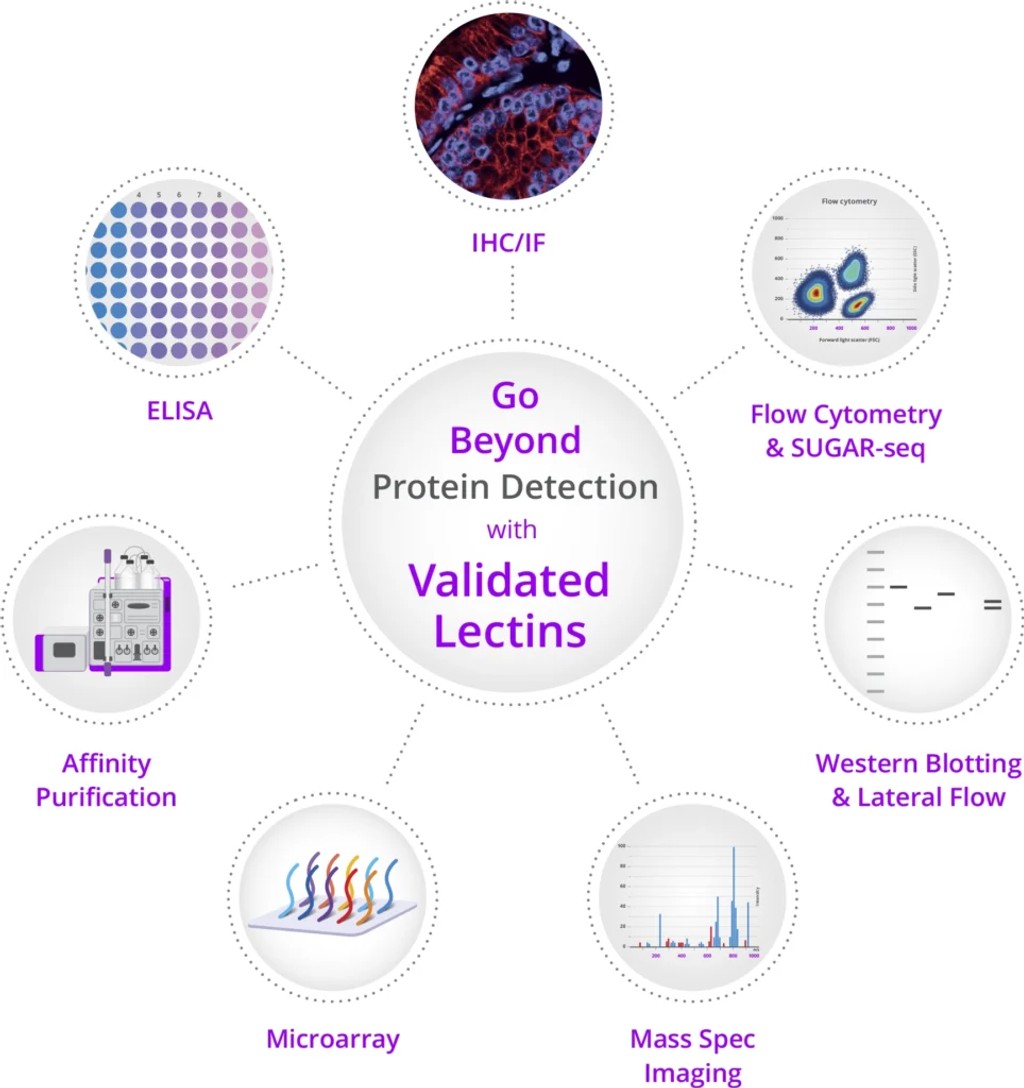
Infectious Disease: The GNL lectin has been used to detect and neutralize viruses in COVID research1.
Cancer: The ECL lectin can be used for NK cell enrichment2.
Cardiovascular Research: The LEL lectin is an effective blood vessel marker for in vivo perfusion studies3.
Neuroscience: The PHA-L lectin can be used to map neuronal projections4.
Seeing Deeper: Glycobiology Reagents in Action
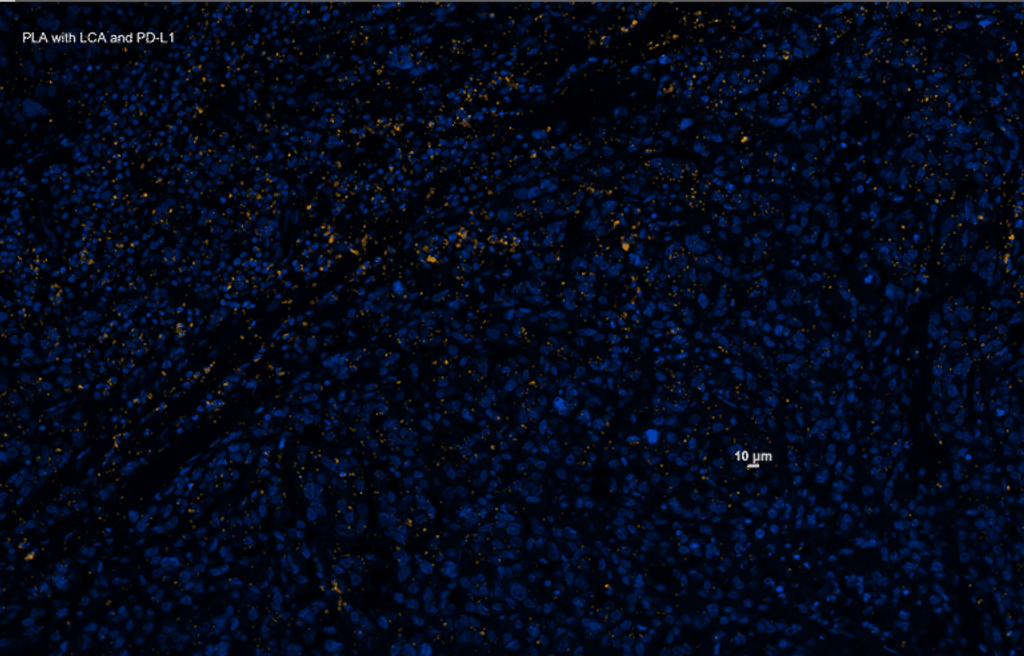
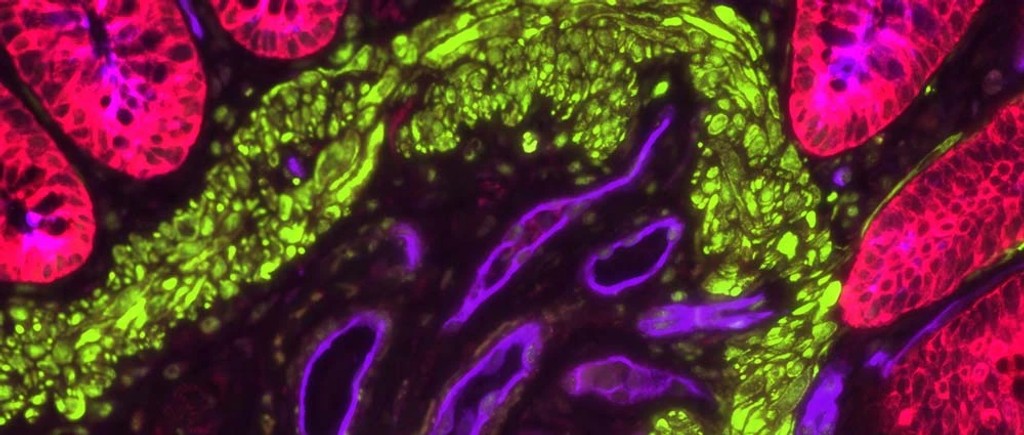
Vector Laboratories’ suite of lectins, glycan analysis kits, and reagents support the advancement of all facets of biology, including spatial biology. Vector partnered with researchers from Spatomics and Arizona State University to utilize a novel imaging tool for protein glycosylation in tissues. This figure (right) has been provided by Dr. Jia Guo from Arizona State University, who is using the Glysite Explorer in situ PLA Glycan Detection Kit to investigate protein glycosylation in cancer biology.
The scientific poster “Novel Tools for Spatial Profiling of Protein Expression and Glycosylation in Brain Pathology“, presented at SITC 2025, contains more information.
Glycobiology Insights
Article
Customer Spotlight: Radiotherapy-Induced Sialyation and Immune Response Changes in Pancreatic Cancer
"Vector Laboratories' lectins provide an extremely consistent and cost-effective way to monitor cell-surface sialylation by flow cytometry, meaning we have the ...
Article
Vector Laboratories in Immuno-Oncology, Part 2: Necroptosis, Metabolic Checkpoints, & Tumor-Nerve Signaling
Immuno-oncology research spans a wide range of biology, from RNA sensing and metabolism to the nervous system and glycosylation, and each new study adds to our ...
Article
Vector Laboratories in Immuno-Oncology: CAR T Cell Trials, Immune Evasion, & Glyco-Checkpoint Blockade
Immuno-oncology research often hinges on the ability to characterize complex biological systems—the tumor microenvironment, effector T cells, immune checkpoints...
Article
Call for Collaboration: Spatial Glycosylation Detection with Glysite Explorer
When researchers design a protein expression study, the standard toolkit of IHC, IF, flow cytometry, and other techniques can tell them a great deal about where...
Article
From Tumor Biology to Therapeutic Design: Expert Insights from Vector Laboratories
Two Vector scientists were recently interviewed about glycosylation in cancer research and advances in bioconjugation for next-generation therapeutics.
Article
Let’s Talk Protein Glycosylation at Cancer Glyco-X
Vector Laboratories will be attending Cancer Glyco-X 2026 to discuss how the right tools reveal glyco-insights in cancer research. Product Manager Shuhui Chen a...
Technical and Educational Resources for Glycobiology
No matter your level of experience with glycobiology, Vector Laboratories has the tools and guidance you need to benefit from this key aspect of biology in your research.
Glycobiology, the study of the structure, function, and biology of carbohydrates, often called sugars, is a rapidly expanding field in biological and biomedical research. This intricate science delves into how sugars attached to proteins and lipids affect cellular processes and disease development. With its profound implications in health, disease, and therapeutics, glycobiology offers a key to unlocking deeper biological insights. This article explores the transformative power of glycobiology, shedding light on how this discipline is revolutionizing our understanding of life at a molecular level.
At its core, glycobiology examines glycoconjugates, the compounds where carbohydrates are linked to proteins and lipids. These sugar chains, known as glycans, are not mere energy sources but vital components involved in cell communication, immunity, and pathogen detection. The complexity of glycan structures and their diverse roles in biological systems make glycobiology a challenging yet rewarding field of study.
Glycobiology’s insights have profound implications in medical research and therapeutics. For instance, understanding glycan structures on cell surfaces has led to breakthroughs in vaccine development, cancer treatment, and autoimmune disease management. Glycobiology also plays a crucial role in the design of biopharmaceuticals, ensuring they function correctly and safely within the body.
The study of glycans extends into disease diagnosis. Abnormal glycosylation patterns are often associated with diseases like cancer, making them potential biomarkers for early detection. Glycobiology’s advancements in diagnostic tools are paving the way for more precise, personalized medicine, offering hope for better treatment outcomes./
Technological advancements have been crucial in advancing glycobiology research. High-throughput screening, mass spectrometry, and advanced imaging techniques have allowed scientists to study glycans in unprecedented detail. These technologies facilitate a deeper understanding of glycan structures and functions, accelerating research and potential applications in various fields.
Despite its potential, glycobiology faces significant challenges. The complexity and diversity of glycan structures make them difficult to study. Additionally, the lack of a direct template for glycan synthesis, unlike DNA or proteins, adds another layer of complexity. However, ongoing research and collaboration across disciplines are making strides in overcoming these hurdles, promising an exciting future for glycobiology.
Lectins Application and Resource Guide
Explore how lectins can help your research with tips, workflows, publications and more.

Exploring the World of Glycobiology eBook
Explore this introduction to glycobiology and its role in health and disease.
Examining Altered Glycobiology in Cancer eBook
Discover the complex role of glycobiology in cancer from glycosylation to biomarkers.

Lectins Infographic
Learn how to integrate lectins into your protocols and grow your toolkit.
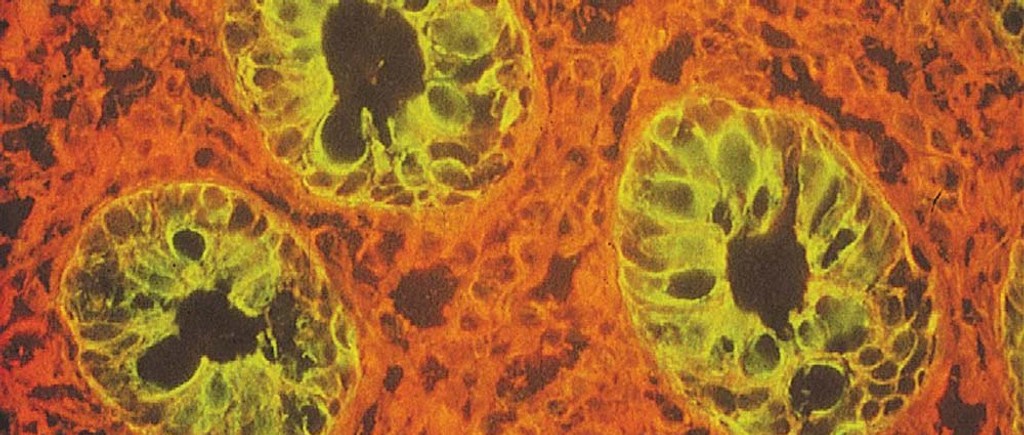
The Overlooked PTM: Making Glycosylation More Accessible
Learn how Vector’s suite of tools bring protein glycosylation insights to researchers across fields.
Glycobiology Overview Flyer
Learn how validated lectins and lectin-based tools make deeper biological insights possible.
References
- Thompson AJ, et al. 2020. Human Influenza Virus Hemagglutinins Contain Conserved Oligomannose N-Linked Glycans Allowing Potent Neutralization by Lectins. Cell Host & Microbe. ↩︎
- Enrichment of NK Cells by Panning on Erythrina Cristagalli Plates ↩︎
- Robertson RT, et al. 2015. Use of labeled tomato lectin for imaging vasculature structures. Histochemistry and Cell Biology. ↩︎
- PHA-L Method for Tracing Efferent Neuronal Projections ↩︎